If you live around Charleston, you get used to air that feels like warm linen pulled from a dryer. Humidity finds every gap it can, and it punishes owners of cars with imperfect glass seals. I’ve met plenty of Lowcountry drivers who thought they had a simple fogging issue, only to learn that a tiny windshield leak soaked the carpet padding, warped the wiring harness channel under the sill, and turned the cabin into a greenhouse that smelled like an old boathouse. Glass leaks are sneaky. They rarely announce themselves with a dramatic drip, and they often hide behind trim, headliners, and door seals. Left alone, they invite mold, corrode electronics, and can even compromise airbag performance.
Over a decade in auto glass in the Charleston area, I’ve seen how a dollar-sized gap of failed urethane can create hundreds of dollars in damage, sometimes more. The good news is that a proper repair is straightforward when you know where to look, how to test, and when to replace instead of patch. Whether you’re chasing a stubborn odor, foggy windows every morning, or a damp passenger floorboard, the path to a dry cabin starts with a careful diagnosis and the right materials. If you care about safety systems and want to keep your car’s value strong, get this right the first time.
Moisture clues that point to a glass leak
Most drivers notice the symptoms before they suspect the cause. A customer once swore the air conditioning drain was clogged because the front carpet kept getting wet. We checked the AC drain, bone dry. The real culprit was a thumbprint-sized gap at the top passenger corner of the windshield, just out of sight under the weatherstrip. That gap let storm water ride the A-pillar and drip down behind the dash.
There are patterns. Water that pools on the front floor as you drive typically comes from the windshield area, especially at highway speeds when pressure pushes water under a weak bond. Dampness behind the front seats can point to a rear door glass run channel or a failed backlite (rear window) seal. A mildew line on the headliner near the rear corners often means the backlite has lifted or cracked urethane near the defroster tabs. On SUVs and hatchbacks, rust near the hinge points disguises a liftgate glass leak. If your car reeks after a coastal downpour and takes forever to defog, check the glass seals before you blame the HVAC.
One more hint, unique to Charleston’s climate: fogged windows on dry mornings. When nights are mild and humid, trapped moisture in the cabin condenses on the inside of the glass, even when the weather outside looks fine. If you find yourself running the defroster every morning through October, there’s likely a leak feeding moisture into the cabin.
Why correct bonding matters for safety, not just comfort
A windshield isn’t only for wind. It supports the roof during a rollover and provides a backstop for the passenger-side airbag on many vehicles. If the bond between glass and body is weak or contaminated, the windshield can separate during a crash, and the airbag can deploy into open space. I’ve removed windshields in Charleston that someone “sealed” with silicone caulk from a hardware store. Silicone doesn’t adhere properly to automotive glass primers or painted pinch welds, and it contaminates surfaces, making a later proper bond much harder.
Modern vehicles rely on structural urethane applied over a prepped, primed surface. That chemistry matters. It cures to a flexible but strong adhesive that keeps glass locked in place and watertight. Shortcuts like universal rubber trims or non-automotive sealants may stop a drip for a week, then fail during the next 95-degree day on the James Island Connector. If your last windshield repair in Charleston SC solved a leak only temporarily, there’s a good chance the preparation or adhesive was wrong for the job.
Common leak sources, from most likely to surprising
You might expect the leading edge of a windshield to be the main suspect, and you’d be right. But I’ve found enough oddball sources to keep an open mind during inspections.
- Windshield bond line problems. Poor prep, skipped primer, or replacement glass that was set too high or low leaves gaps. Stone chips that extend to the edge can also open a path. When folks search for windshield repair Charleston SC, they usually mean chip repair for cracks. If a chip touches the edge, even a good resin fill might not stop capillary action in heavy rain, and replacement becomes the safer call. Backlite failures. Rear window replacement Charleston SC is common after a tree limb drop or a break-in. Less obvious are bond failures near the defroster tabs, where heat cycles stress the urethane, and around corners where body flex is highest on rough roads like Folly. Door glass run channels and vapor barriers. Side window repair Charleston SC often starts with a slow door leak. The vertical glass channels wear, and rain rides down into the door. That’s normal. What’s not normal is moisture entering the cabin, which happens when a door’s inner vapor barrier tears or someone reassembled it without proper butyl sealing after a speaker or regulator repair. Roof seams, sunroof drains, and quarter glass. Cars with sunroofs use tiny drain tubes that exit in the front fender wells and rear quarters. Pine needles and pollen cake them shut every spring. Water then overflows the cassette and finds the headliner. Quarter glass panels, especially on crossovers, also loosen over time, and because they are often glued from the factory with thin beads, even slight body flex can create hairline gaps. Wiper cowl misinstalls. A replaced windshield that pinches or misaligns the cowl panel can direct water into the fresh air intake, soaking the passenger floor. I’ve seen this on late-model sedans where the cowl clip broke and a tech used a zip tie instead. It held, but the cowl sat a quarter inch high, creating a water slide into the cabin filter box.
Field testing that actually works
I use four tests for glass leak repair in Charleston SC, chosen based on the symptoms. You can try the first two at home if you’re careful, though a shop with a smoke machine and leak detection tools will be faster.
- Static water test. Park on level ground. Tape over the top edge of the windshield trim to keep water from running behind it. Start a low-flow stream from a hose at the bottom of the glass and slowly move upward. Have someone inside with a bright LED and dry paper towels. This method isolates gravity-fed leaks. Avoid high-pressure spray, which can force water through seams that would not leak under normal rain. Air pressure test. Close all windows and doors, run the cabin fan on high with fresh air selected. Mix a few drops of dish soap in water and brush it along suspect seams outside. Bubbles point to air escaping through a leak path. This test reverses the pressure direction and reveals tiny openings that a water test can miss. Smoke or fogger test. In-shop, we’ll slightly pressurize the cabin and use a smoke wand around the glass perimeter. If I see smoke drift, I know the exact inch that needs attention. On some cars, this is the only way to find a micro gap at a pillar cover. UV dye tracing. For persistent ghosts, I’ll add a small amount of UV fluorescent dye to water and apply it to a specific area, then use a UV light inside the car. Only do this with dyes that are safe for paint and trim, and wipe thoroughly after.
If you’re hiring mobile auto glass Charleston SC, ask what their test plan is. A proper tech will have at least a water test strategy and a way to confirm the fix besides “it looks sealed.”
Repair, reseal, or replace: choosing the right path
Some leaks can be resealed without replacing glass. Others demand a full auto glass replacement Charleston SC. The decision rests on condition, safety implications, and whether a durable bond can be reestablished.
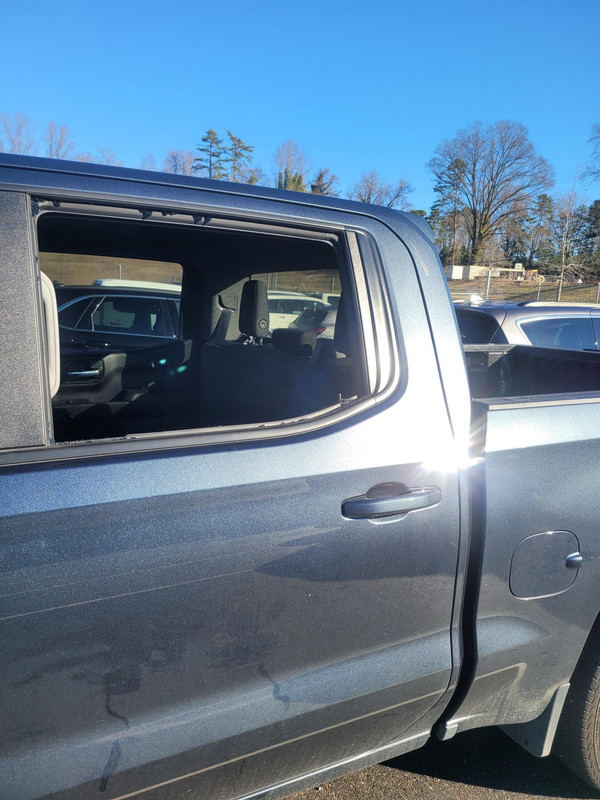
Reseal if the glass is in good shape, the bond line is intact, and the leak mobile auto glass charleston sc clearly comes from a localized gap at the edge. This often happens when prior installers skimped on urethane in corners. We can lift trim, clean the area thoroughly, apply compatible primer, and inject high-modulus automotive urethane to bridge the void. Expect a cure time that varies between 30 and 120 minutes before the car can be driven, depending on product and weather. In summer heat, cure speeds up. In January cold snaps, it slows, so ask about safe drive-away times.
Replace when the glass is cracked, when an edge chip reaches the frit band, when rust undermines the pinch weld, or when previous silicone contamination ruins bond integrity. If the windshield supports ADAS components, like forward-facing cameras, replacement must be followed by adas calibration Charleston SC to restore lane keep assist, adaptive cruise, and emergency braking functions. If a shop suggests skipping calibration, take your keys and go. Even a few degrees of camera misalignment can shift your safety systems from guardian to hazard.
There’s a gray zone: older vehicles where the pinch weld has rusted. We can wire wheel and treat light rust, apply epoxy primer, and set the glass. For severe rust with holes or delamination, body repair must come first. Otherwise, you’ll chase leaks forever.
Why Charleston climate changes the playbook
This city throws curveballs. Salt air accelerates corrosion, especially on vehicles parked near the marsh. Afternoon storms can dump inches of rain in minutes, then temps bounce between sauna and furnace on a summer day. Urethane behaves differently under those swings. The adhesive bead wants clean, dry surfaces, but morning dew can hide under a trim lip and contaminate a bond. A good installer will either tent the area and dry it with heat, or reschedule rather than risk a compromised seal. If you’ve had repeat leaks after otherwise competent windshield repair Charleston SC, ask about humidity control during install.
Our oak and pine blend also drops a cocktail of pollen and needles that clog cowl drains. During spring, I’ve pulled a cowl and found a mat of yellow paste so dense it redirected water toward the cabin intake. Part of good glass service in Charleston includes clearing those drains and checking that the cabin filter housing seals tight.
Finally, beach trips. Sand seems harmless, but the grit under the cowl can wear at the rubber lower windshield trim over time, creating a capillary channel. Keep that area clean. A five-minute rinse while washing the car can save hours in a shop later.
Mobile service, shop service, and when each makes sense
Mobile auto glass Charleston SC has come a long way. For straightforward replacements without rust, with easy camera access for calibration at a partner site, a mobile install saves time and keeps your schedule intact. I carry pop-up tents, battery-powered lights, and humidity meters on my van, which covers most scenarios.
There are times when the shop is better. ADAS calibration often needs a controlled environment and level floor. If I suspect pinch weld rust, I want bright, stable lighting, and access to tools I don’t carry on the road. Persistent mystery leaks also benefit from in-shop smoke tests and the ability to strip more interior trim without chasing parts around a driveway.
If your insurance covers glass, let the shop handle the paperwork. Many carriers in South Carolina offer comprehensive coverage with glass benefits. Insurance auto glass Charleston SC claims usually move quickly, and a good shop will help you file, explain your deductible, and clarify whether calibration is included. Be wary of anyone who pushes you to claim damage that didn’t happen or offers kickbacks. It isn’t worth the headache, and reputable shops do not need gimmicks.
The quiet damage moisture causes, and how to undo it
Hidden moisture does more than smell bad. It saturates carpet padding, the thick foam that sits under the visible carpet and acts like a sponge. That padding can hold quarts of water. I once peeled back carpet on a sedan that had a leak for months, and we filled half a five-gallon bucket wringing out the padding. That water had started to corrode a splice block tucked into the floor channel. The customer came in for a leak, but the electrical gremlins - intermittent airbag light, random door lock cycling - were symptoms of the same problem.
Fixing the leak stops the source, but you still need to dry the car. That means pulling sill plates, lifting carpet, and drying or replacing the padding. In Charleston humidity, a closed car takes ages to dry on its own. A shop with air movers and a dehumidifier can tackle this in a day. If you try it at home, crack the windows, run a household dehumidifier in the garage with hoses snaking into the cabin, and change air pockets every few hours. A moisture meter helps confirm when the padding is truly dry instead of just surface-dry. Skipping this step leads to mold and a smell you will never forget.
When chip repair helps, and when it hurts
Drivers often ask if chip repair Charleston SC can prevent leaks. Resin injection works wonders on central chips and short star cracks, restoring strength and stopping spread. It’s not intended to seal the glass-to-body interface. If a crack reaches the edge, water can creep into the laminate layers and along the urethane bed. In that case, replacement is the safer move. I’ll repair chips within the swept area of the wipers only if they fall within size guidelines and the structural integrity remains intact. Edge damage is different, and no honest shop will promise a leak fix with resin alone.
The ADAS factor that complicates leak repairs
Cameras, radars, and rain sensors live on or near the glass now. Even replacing a rearview mirror can mess with a camera mount if not handled right. After any windshield replacement, adas calibration Charleston SC ensures the forward camera recognizes lane markings and distances correctly. Some vehicles allow static calibration with targets set at specific distances on a level floor. Others require dynamic calibration, essentially a guided drive with a scan tool, clear lane markings, and steady speeds. Charleston’s mix of shaded lanes and bright glare can trip up dynamic calibration, so choose a shop that knows the local routes where systems calibrate reliably.
Don’t overlook rain sensors. A poorly mounted sensor gel pad can create phantom wipes or a sensor that never triggers. It can also mask a minor leak around the sensor housing. I carry manufacturer-specific gels and adhesives for those sensors because generic pads lead to returns.
A straight talk buying guide for local glass service
Charleston has plenty of auto glass options. Some do excellent work, some do fast work, a few manage both. Here’s a compact checklist to help you pick:
- Ask how they diagnose leaks. Listen for water tests, smoke, or dye methods, not just “we’ll throw some sealant on it.” Confirm their adhesive brand and drive-away times. Look for reputable automotive urethanes and clear guidance on humidity and temperature limits. If you have cameras or sensors, ask about ADAS calibration. Do they handle it in-house or with a trusted partner, and is it documented? Inquire about rust and contamination protocol. If they find silicone or rust, what’s the plan? Clarify warranty terms. A solid shop will stand behind leak repairs for at least a year, often longer.
This quick screen filters most of the problems I see after botched jobs. If you sense reluctance to answer or a rush to quote without questions, keep shopping.
The repair day, step by step, and what you should see
On arrival, a tech should inspect the exterior and interior, ask about symptoms, and run at least a basic water test. For windshield leaks that can be resealed, we’ll remove cowl trim as needed, lift exterior moldings, and clean the frit band area with suitable cleaners that do not leave residue. If the prior installer used silicone, we spend extra time removing all traces. We apply glass primer and pinch weld primer where required, then inject fresh urethane with a nozzle shaped to force material into the gap. After a cure period, we retest with the same method that found the leak.
For full replacements, the process takes longer. We protect the paint, cut out the old glass with a wire or blade, trim the old urethane to a uniform thin bed, treat any bare metal, and set the new glass precisely with setting blocks or a setting device. With ADAS, we either calibrate on-site in controlled conditions or schedule the calibration right after. You should leave with documentation of the work, including adhesive details and calibration results if applicable.
If your leak involved wet carpets, expect an extra step to lift and dry the interior. I prefer to start that drying process while the glass work proceeds. A good shop will coordinate so you are not making multiple trips unnecessarily.
How insurance interacts with leaks and replacements
Not every leak comes with broken glass, so insurance coverage can vary. Comprehensive policies often cover windshield crack replacement minus your deductible. Some carriers in South Carolina offer special glass endorsements with low or zero deductibles for a windshield. For leaks tied to prior installation errors, warranty or the shop’s goodwill may be the route, not insurance. If break-ins or storm damage caused rear or side glass failure, insurance usually recognizes those claims readily.
Use insurance auto glass Charleston SC support when it saves you money without compromising parts or procedures. Insist on OEM-equivalent glass for vehicles with sensitive ADAS systems. If your carrier tries to steer you to a shop that cannot calibrate your camera or offers an adhesive you’re not comfortable with, you have the right to choose your shop. Document your leak symptoms, tests performed, and post-repair dry-out steps. Good notes make claims smoother.
Edge cases that stump even seasoned techs
A few problems show up often enough to mention. One is body flex on trucks with aftermarket leveling kits. Slight changes in stance can twist the cab just enough to stress the upper corners of the windshield bond. If a truck develops a leak after suspension changes, look there first. Another is hairline cracks in the ceramic frit band on some models after a cheap scraper was used to remove old urethane. The crack hides under the trim, leaks during pressure changes, and only shows itself under a UV dye test.
Then there’s the misdiagnosed HVAC case. I’ve seen evaporator drain elbows clog after a palmetto bug crawled up and died in the tube. That’s not a glass leak, even though the symptom is the same puddle on the passenger floor. A thorough tech checks both glass and drains, because fixing only one side leaves you chasing ghosts.
Keeping your car dry after the fix
A permanent repair is step one. Care makes it last. Rinse the cowl area when you wash the car, especially after oak pollen peaks. Replace the cabin air filter on schedule, which helps you spot moisture early if it looks damp or moldy. Avoid parking under heavy sap droppers if you can, since sap and grit degrade outer trims over time. If you notice new wind noise at highway speed or a sudden increase in interior fogging after a strong storm, schedule a quick check. Small problems are cheap when they are still small.
For those with frequent beach runs, keep a soft brush in the trunk. Sweep the lower windshield trim and the hatch gutter before heading home. It takes a minute, and it prevents the sand channels that lead to leaks months later.
Where local expertise pays off
You could hire any shop that searches well for auto glass Charleston SC and roll the dice. Or you can pick folks who know our microclimate, our tree seasons, and the way coastal air ages seals. The right partner knows when windshield repair Charleston SC can preserve your original glass and when auto glass replacement Charleston SC is the smarter call. They can come to you with mobile auto glass Charleston SC when convenience matters, and they know when a shop visit helps speed ADAS calibration or a tough diagnosis. They stand behind their work, not just the day they wipe off the last bit of primer but months later, after a summer of pop-up storms and a winter of damp mornings.
Cabin moisture is not a personality trait for Charleston cars. It’s a symptom. Track it to its source, fix it with the right materials, dry the interior thoroughly, and keep drains and trims clean. Your car will smell better, electronics will behave, and your safety systems will do their job if the worst ever happens. That’s the payoff for taking glass leaks seriously.